
A tooth extraction removes a tooth from its socket, typically recommended for severe decay, impacted teeth, advanced gum disease, or overcrowding. Etesse Holistic & Cosmetic Dentistry in Solana Beach, CA performs extractions in-office using local anesthesia, with sedation options available for anxious patients. Most people return to normal activities within 48 to 72 hours, though the jawbone takes several weeks to fully heal, and options like implants, bridges, dentures, or flippers are available to replace the missing tooth afterward.
Tooth Extractions
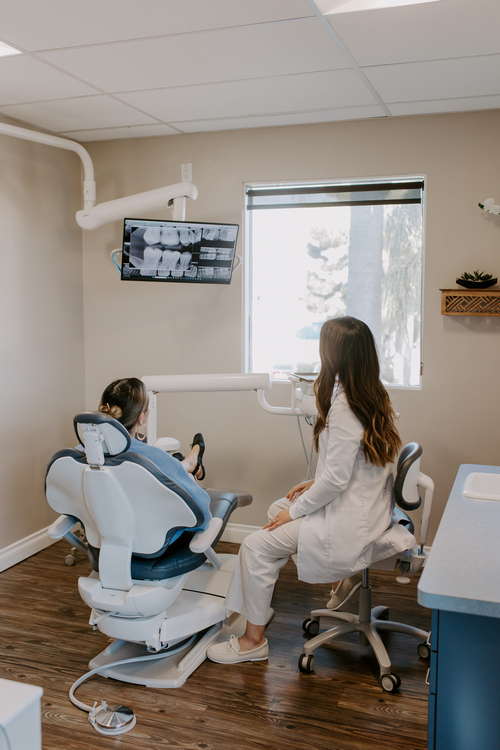
A tooth extraction is a dental procedure in which a tooth is completely removed from its socket. Sometimes this procedure is also known as “pulling” a tooth. At Etesse Holistic & Cosmetic Dentistry, we have a board-certified periodontist on our team that specializes in extractions. We can take care of extractions right here in our office.
When Is a Tooth Extraction Recommended?
There are different scenarios that might indicate a need to have a tooth extracted. We might recommend pulling a tooth if you have:
- Severe tooth decay
- An impacted tooth
- Severe gum disease
- Crowded teeth
- Dental injuries
Tooth Extraction Procedure
Tooth extractions make some people anxious, however, we provide local anesthesia to numb the affected tooth and the surrounding gum tissue. We also offer sedation dentistry to help with nerves.
Our dentists use specialized dental instruments to gently loosen the tooth and lift it from its socket. Once we remove the tooth, the socket is cleaned and disinfected to protect it from infection. Stitches might be placed to help promote healing.
After Care from a Tooth Extraction
What to Expect
At the end of the procedure, our dentist will place a piece of gauze over the extraction site and have you close down firmly to help slow the bleeding down. You will take the gauze out when the bleeding has slowed enough. However, it is common to have some light bleeding for the next 24 hours.
Hygiene and Care
Continue a good oral hygiene routine and keep the extraction site clean. You can gently rinse the area with salt water two or three times a day. Avoid brushing directly over the extraction site until your dentist recommends it.
Our dentists might prescribe antibiotics or pain relievers. Make sure to take the medication as directed. Avoid hard or crunchy foods for at least the first week, and avoid drinking through straws. Doing so could dislodge the blood clots and cause dry sockets.
When to Expect Recovery
Depending on the severity of your case, most people feel back to normal in just a few days after tooth extraction. You will be able to return to your normal activities and routine within 48–72 hours, however, it will usually take the jawbone several weeks to completely heal.
Tooth Replacement Options
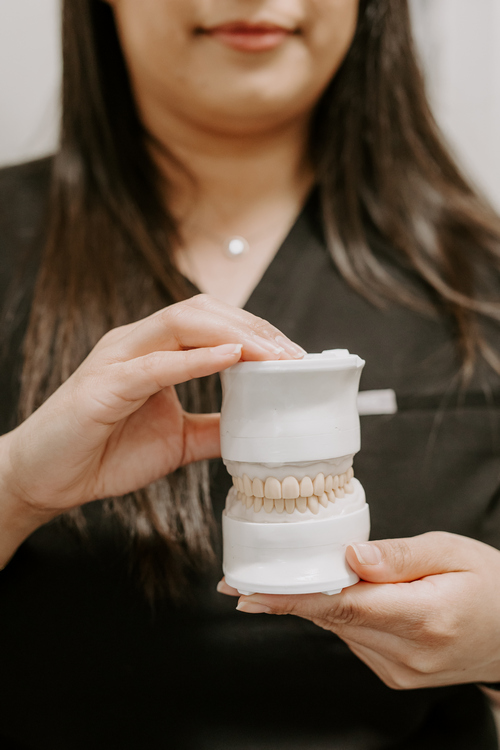
Having a missing tooth can cause a variety of changes in your oral health and appearance. Sometimes a missing tooth can affect your speech and ability to chew. A missing tooth can also cause your teeth to slowly shift into the empty space.
Replacing the missing tooth can help restore your beautiful smile and help you to feel confident again! Here are some tooth replacement options provided at Etesse Holistic & Cosmetic Dentistry.
Dental Implants
Dental implants are titanium rods that are placed into the jawbone to replace a missing tooth root. Once the implant heals, the dentist will place a crown, bridge, or denture on top of the implant to restore the full tooth.
Bridges
A dental bridge uses your existing teeth on either side of the missing tooth to support a bridge. A crown is placed on both the supporting teeth, which support the bridge between them. A bridge replaces just the crown of the tooth, which works best if you’re only missing one or two teeth in a row.
Dentures
Dentures provide a reliable and affordable solution for replacing pulled teeth. They are custom-made to fit your mouth and closely match your natural teeth, restoring the aesthetics and functionality of your smile. Whether you’re missing a few teeth or an entire arch, dentures allow you to chew and speak comfortably again. They also support the facial muscles to prevent sagging, helping to maintain your natural face shape and youthful appearance.
Flipper
A dental flipper, or acrylic removable partial denture, is an excellent short-term option for replacing pulled teeth. Lightweight and comfortable, it consists of a gum-colored acrylic plate with prosthetic teeth attached. It “flips” into place in your mouth, filling the gaps left by the missing teeth.
While not designed for long-term use, a dental flipper can provide an immediate aesthetic solution, helping you maintain your confidence and smile while awaiting permanent dental work such as implants or bridges.
Platelet-Rich Fibrin (PRF)
At our dental practice, we use Platelet-Rich Fibrin (PRF) to help improve bone and soft tissue regeneration. PRF is made from spinning a small sample of your own blood to separate out the growth factors, platelets, and white blood cells that fight infection. PRF leverages your own body’s regenerative capabilities for superior results. This platelet treatment is used during many different oral surgery and periodontal procedures. PRF reduces healing time and can decrease post-treatment pain and swelling.
Some patients have heard of PRP (Platelet-Rich Plasma) instead of PRF when it comes to platelet concentrates. PRF is the next generation of platelet concentrates. PRF does not require any exogenous additives and produces a larger share of product from the blood sample.
Post-Op Instructions
Do not eat for at least two hours or until the anesthesia has worn off.
(Extractions, Periodontal Gum Surgery, Implants, Tissue Grafts, and Bone Grafts)
General Post-Op Instructions
Avoid heavy or strenuous exercise for 2-3 days. Return to normal activities as tolerated.
Avoid drinking out of a straw, swishing forcefully, or spitting forcefully. These processes will disrupt the clotting process and result in bleeding.
No smoking as this can cause altered healing and higher risk for infection.
No alcohol or alcoholic mouthwash during the healing process.
Diet: No hot, spicy, crunchy or hard foods for the first few days after surgery. Avoid any crunchy or hard foods until stitches are removed or until you return for a post-operative visit. Soft foods are ideal for the first few days following surgery. Try to keep food away from the surgical area.
Oral hygiene: Keeping your mouth clean is essential to healing. Please continue with normal brushing and flossing in other areas of your mouth with the exception to the surgical area. Avoid hygiene in the surgical area until stitch removal or your post-operative appointment. If a simple surgical procedure was done and no post-op visit is necessary, normal hygiene can resume after 10 days.
Surgical site care
You may rinse the surgical site with warm salt water 2-3 times per day. Do not swish vigorously. Put the salt water in your mouth and gently swish for 30 seconds before letting it fall out of your mouth. Dilution: 1/2 teaspoon salt in 8 oz water.
Sutures may have been placed to help control bleeding and promote healing. They may fall out or dissolve throughout the next few days. The goal is to keep the sutures in place for as long as possible.
You will have oozing from the surgical site and a red or pink color to your saliva, which is normal.
Swelling usually peaks at 3-4 days after surgical procedures and then begins to decrease. Bruising may occur adjacent to the site, on your cheeks, or near your nasal region.
Prescriptions: You may be prescribed antibiotics, anti-inflammatory medications, mouth rinses, or other pain reducing medications. Please take as prescribed. If taking antibiotics, finish the course of antibiotics
Things to watch out for
Bleeding: After surgical procedures it is common to have a red color in your saliva and for some oozing to occur. If severe bleeding occurs, hold gauze, a paper towel or a damp black tea bag with firm pressure against the surgical or extraction site for 10 minutes. If a large amount of bleeding occurs, please also contact us.
Swelling: Some swelling and inflammation may occur in the first 3-5 days. Ice packs may be used (10 minutes on then 10 minutes off) to decrease swelling and bruising. If swelling persists for more than 7 days, please contact the office.
Infection: A slight fever (99-100 degree) is common after surgical procedures. If a higher fever develops or the fever persists, please contact the office. Signs of infection include fever, severe swelling, and pus (white, milky fluid drainage). If infection develops, please contact the office.
Dry Socket (after extractions): Premature dissolving or loss of a blood clot following an extraction procedure may result in a “dry socket.” This typically occurs on day 3 to 5 after the extraction, with a persistent throbbing pain in the jaw. To avoid a dry socket, do not smoke and do not use straws.
Contact Us for Your Tooth Extraction Procedure!
At Etesse Holistic & Cosmetic Dentistry, we provide a holistic and whole-body health approach to our dental procedures including tooth extractions. If you are anxious or concerned about pain, we offer a variety of sedation options to ease your worries! Contact us today to meet with our dentists about your oral health needs!
